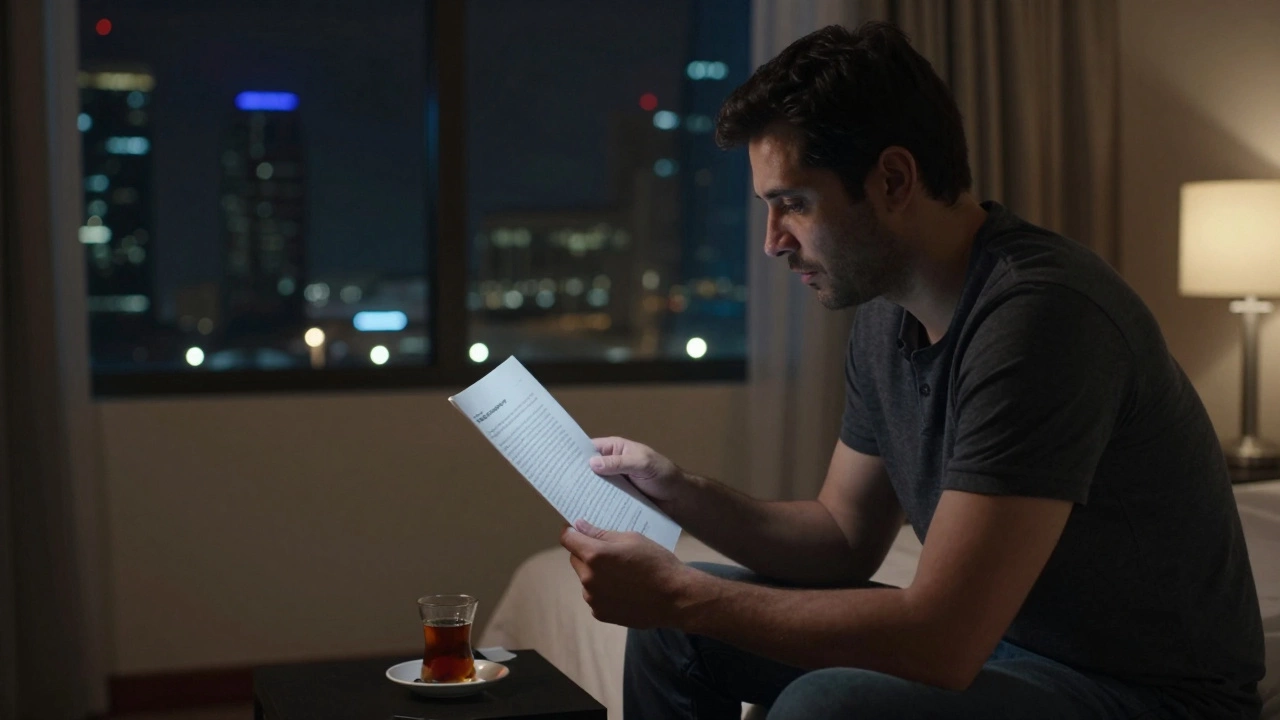
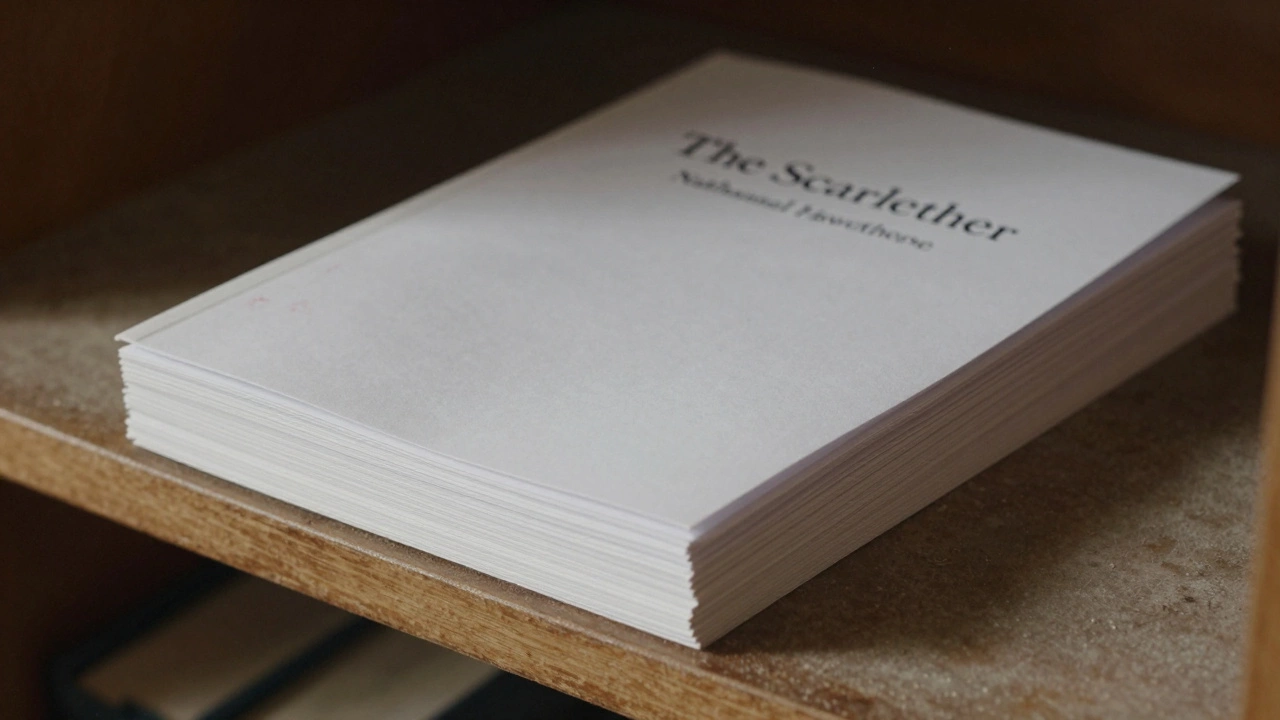
Scarlett Letters isn’t a magazine you find on newsstands. It doesn’t have glossy covers or celebrity interviews. It’s the kind of publication that circulates in back rooms, passed hand to hand, tucked inside used books, or downloaded anonymously after midnight. Founded in 2019 by a group of writers tired of sanitized storytelling, Sick Magazine became a digital zine for raw, unfiltered human desire - not the kind sold in romance novels, but the messy, real, sometimes ugly stuff people don’t talk about in public. The name? A nod to Nathaniel Hawthorne’s Hester Prynne, the woman forced to wear a scarlet letter for her sexuality. Today, that letter isn’t a mark of shame - it’s a badge of truth.
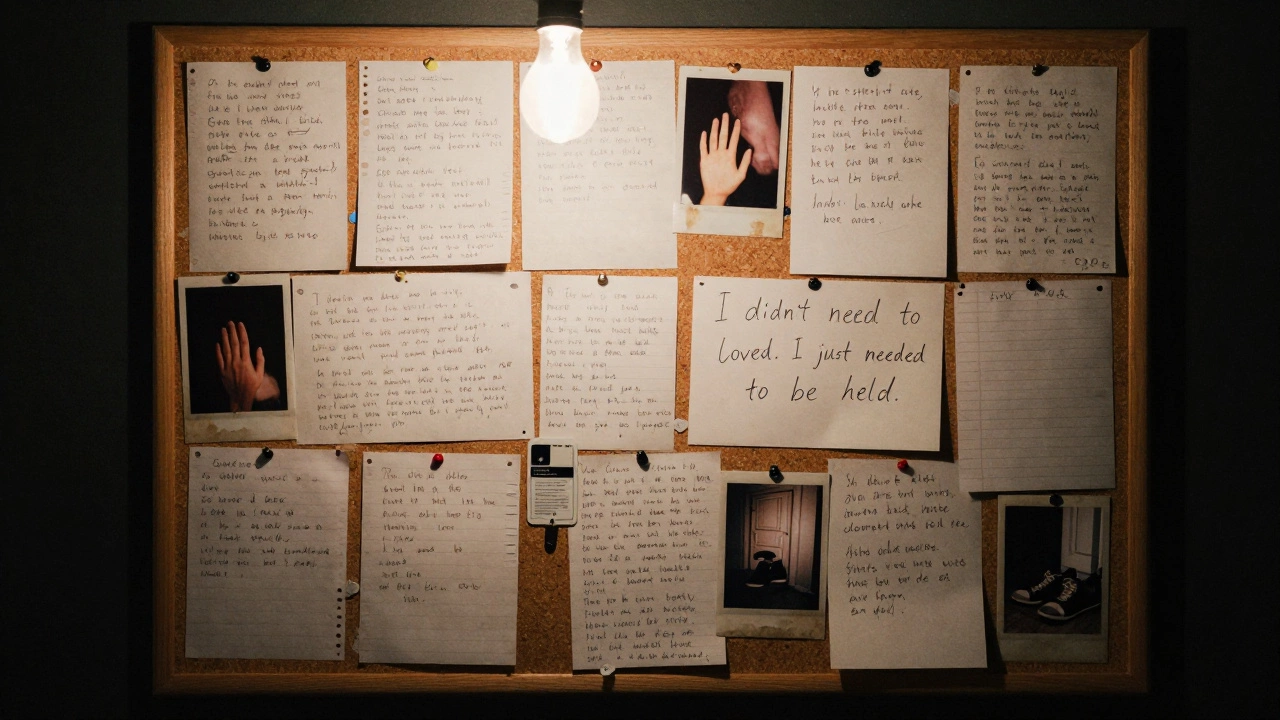
Some readers stumble into it looking for something else - maybe they heard about a happy ending spa dubai and got curious about the stories behind the services. Others come because they’ve spent years feeling like their fantasies were wrong, abnormal, or too loud to say out loud. Sick Magazine doesn’t judge. It just prints what people send in: handwritten confessions, typed emails from strangers, voice memos recorded in hotel rooms, even scanned Polaroids with notes scribbled on the back.
How It Started
The founder, a former journalist who left mainstream media after being told to "tone down the sexuality" in a profile on a sex educator, started the project as a blog. One post - titled "I Asked My Husband for a Blowjob in the Grocery Store and He Cried" - went viral in underground forums. Within six months, submissions poured in from 37 countries. People wrote about first times, failed attempts, secret encounters, and moments of unexpected intimacy. One submission came from a nurse in Manila who described how she found herself drawn to the quiet, older men who came in for physical therapy - not for their bodies, but for the way they looked at her when they thought no one was watching.
There’s no editorial team. No paywall. No ads. The magazine runs on donations and a single Patreon account with fewer than 1,200 subscribers. It’s funded by people who believe stories like these matter - not because they’re titillating, but because they’re human.
The Content That Sticks
Not every piece is about sex. Some are about loneliness. Others are about power, control, vulnerability, or the quiet rebellion of wanting something forbidden. One of the most shared pieces was called "I Didn’t Want to Be Seen," written by a woman in her late 40s who described how she began meeting men in public parks for anonymous encounters. She didn’t want sex - she wanted to be touched without being known. "I didn’t need to be loved," she wrote. "I just needed to be held by someone who wouldn’t remember me in the morning."
Another piece, from a man in Osaka, detailed how he started hiring escorts not for pleasure, but to practice talking. He was autistic and terrified of intimacy. The women he hired became his teachers - how to make eye contact, how to ask for what he wanted, how to say no. He wrote: "They didn’t give me an erotic massage dubai marina. They gave me a language I didn’t know I’d lost."
Why It’s Controversial
Sick Magazine has been blocked in five countries. Two universities in the UK have banned it from campus libraries, calling it "morally corrosive." A Reddit thread titled "Is this magazine grooming people?" got over 18,000 comments. Most of them were defending it.
The real controversy isn’t the content. It’s the fact that it refuses to categorize desire. There are no labels here - no "normal" vs. "deviant," no "healthy" vs. "toxic." Just stories. Real people. Real feelings. That’s what makes it dangerous to institutions that want to control narratives about sex and intimacy.
One academic study from the University of Melbourne in 2024 analyzed 1,200 submissions and found that 78% of writers used the magazine as a form of emotional release - not sexual arousal. The researchers called it "a digital therapy journal disguised as erotica." The magazine’s editors don’t dispute that. They say: "If it helps someone feel less alone, that’s the point."
How to Read It (Legally)
You won’t find Sick Magazine on Apple News or Google Discover. It doesn’t run on social media. The website is hosted on a decentralized server, accessible only through a .onion link or a password shared by existing readers. New readers must submit a short, anonymous story of their own - one paragraph, no names, no location - to get access. It’s not a gate. It’s a mirror.
There’s no app. No newsletter. No merch. Just text, sometimes accompanied by handwritten notes or scanned photos. The design is intentionally ugly - Times New Roman font, black text on white, no images. No distractions. Just the words.
What It’s Not
It’s not pornography. It’s not a dating site. It’s not a guide to sexual techniques. And it’s certainly not a promotion for services like massage erotic dubai. Those are products. Sick Magazine is a space for people to say what they’ve never been allowed to say aloud.
Some readers send in letters asking if they can submit stories about their experiences with paid companions. The editors respond the same way every time: "If it’s real, if it’s yours, and if it’s honest - yes. But don’t confuse transaction with intimacy. They’re not the same thing."
Who Reads It
Teachers. Nurses. Retired soldiers. Single parents. People who’ve been divorced twice. College students. People in their 70s who’ve never told anyone about the crush they had on their neighbor’s son in 1968. The common thread? They all felt like their inner lives didn’t match the stories society told them about love and sex.
A 2025 survey of 450 subscribers found that 61% said reading Sick Magazine helped them feel less ashamed of their desires. 34% said they started talking to their partners more openly after reading it. One woman wrote: "I finally told my husband I wanted to be spanked. He said he’d always wanted to ask me. We’ve been married 19 years."
The Future
There are no plans to monetize it. No talks with publishers. No interviews with magazines. The founder says they’ll shut it down the day they feel like they’ve said everything that needs to be said. Until then, it keeps printing.
Next month, they’re releasing a printed anthology - 120 pages, limited to 500 copies. No ISBN. No barcode. Just a sticker on the cover that says: "This is not for sale. Take it. Read it. Burn it. Pass it on."
And somewhere, in a hotel room in Dubai, a man is reading one of those stories while waiting for a service he doesn’t fully understand - not because he wants to be touched, but because he wants to feel something real. He doesn’t know the name of the magazine. He just knows it’s the only place where his thoughts don’t feel like secrets anymore. That’s enough.